How can peace be established and sustained in Europe? Thirty young people from Germany, Italy and Finland explored this question. The outcome of this international youth encounter: impressive works of art, a podcast episode and plenty of motivation for future projects.
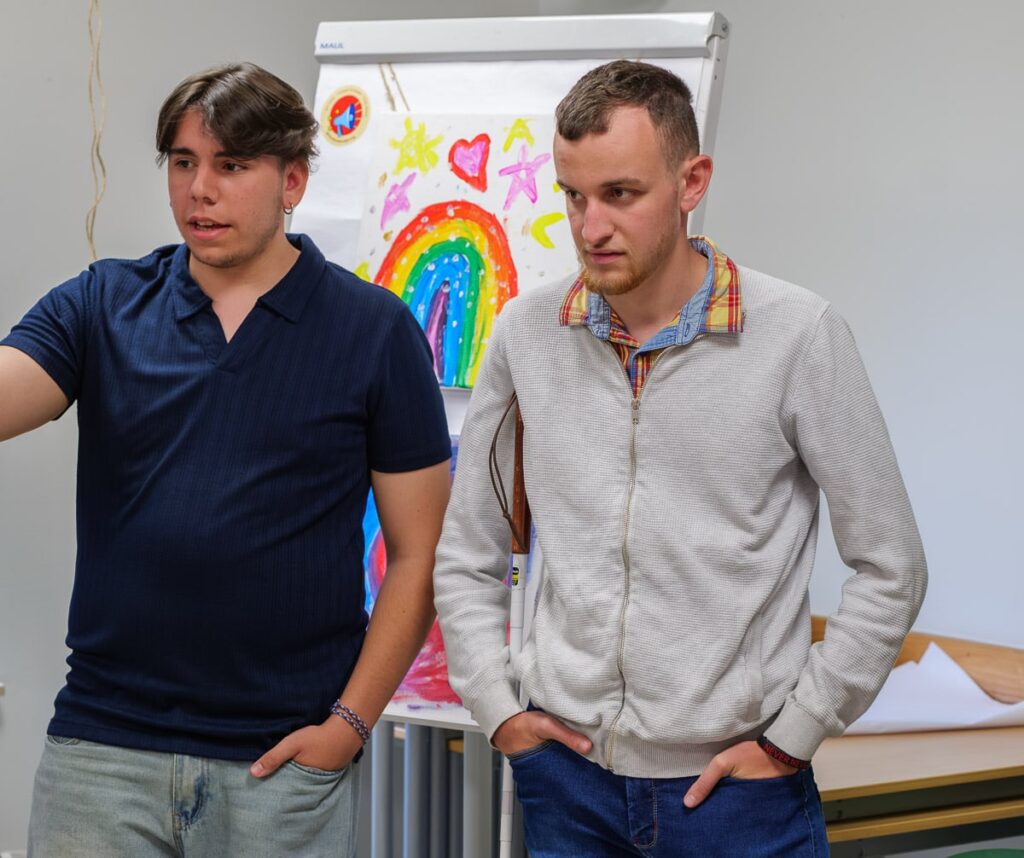
With the beginning of the summer holidays, the Werkstatt Vocational School Unna (Germany) invited two partner groups from Itri (Italy) and Oulu (Finland) to the Forsthaus Hasenacker youth education centre. For twelve days, they created a space for international exchange: in workshops and discussions, the participants explored the causes of conflicts and wars. Of course, with wars like Russia’s ongoing invasion of Ukraine and growing debates about mandatory military service in many European countries, this is a topic of great concern to many young people. They talked about prejudice, exclusion, disinformation and social tension. In doing so, they also reflected on their own experiences and cultural backgrounds. And they documented their insights through interviews, photographs and paintings.
Testing Democracy in Practice
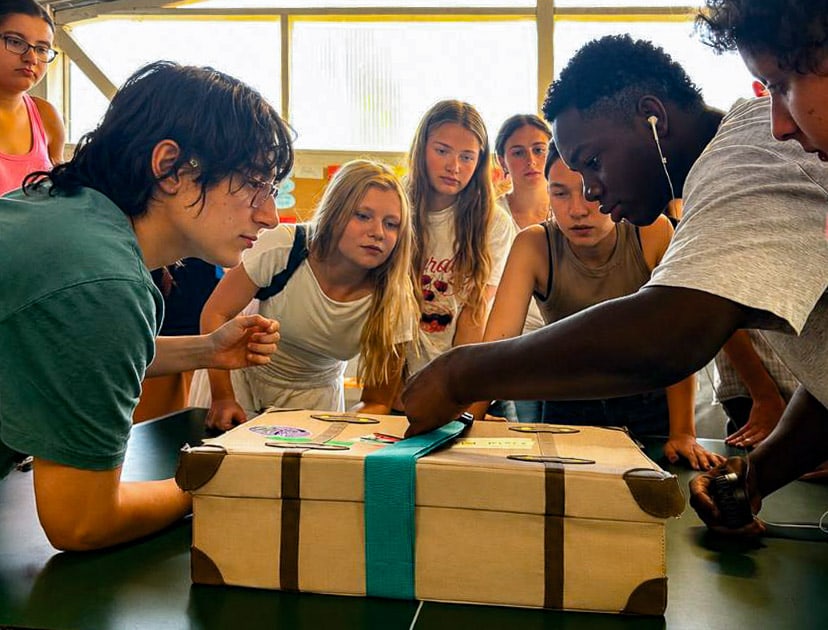
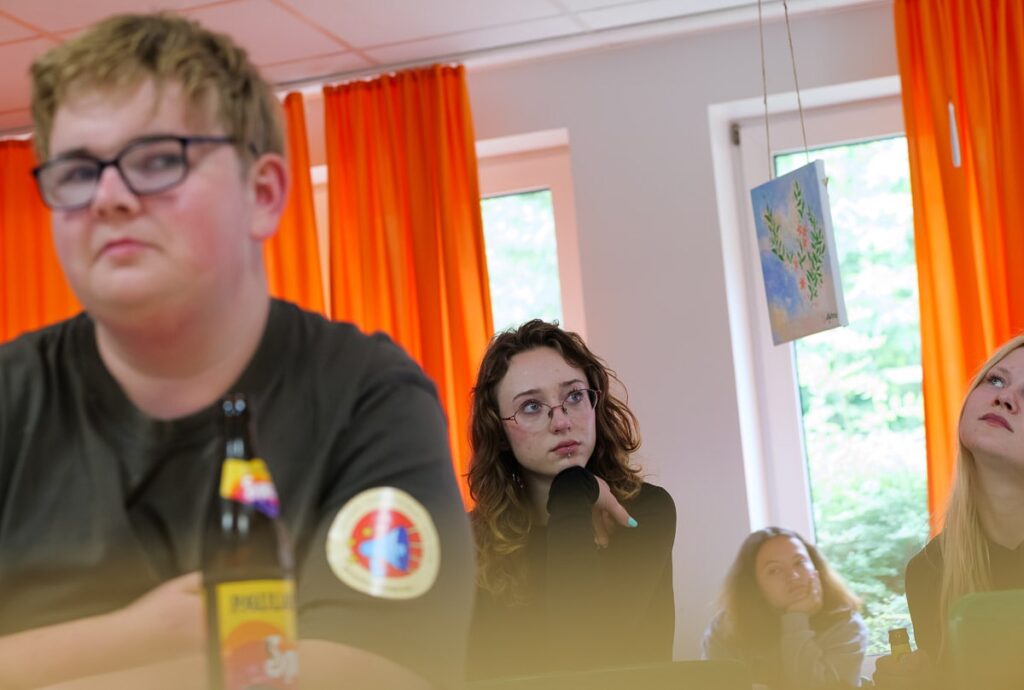
Liisi was travelling alone from Finland and didn’t know anyone at first. “We all had to start from scratch,” she says. “I learnt how important communication and teamwork are.” One thing that particularly made an impression on her, was a simulation exercise in which the participants took on different social roles: government, the general public and non-governmental organisations. In these roles, they discussed who has which responsibilities in a democratic society. They had to actively negotiate how to deal with conflicting perspectives and interests. “Peace and democracy only work if everyone keeps the dialogue going,” says Liisi.
Remembering for the Future
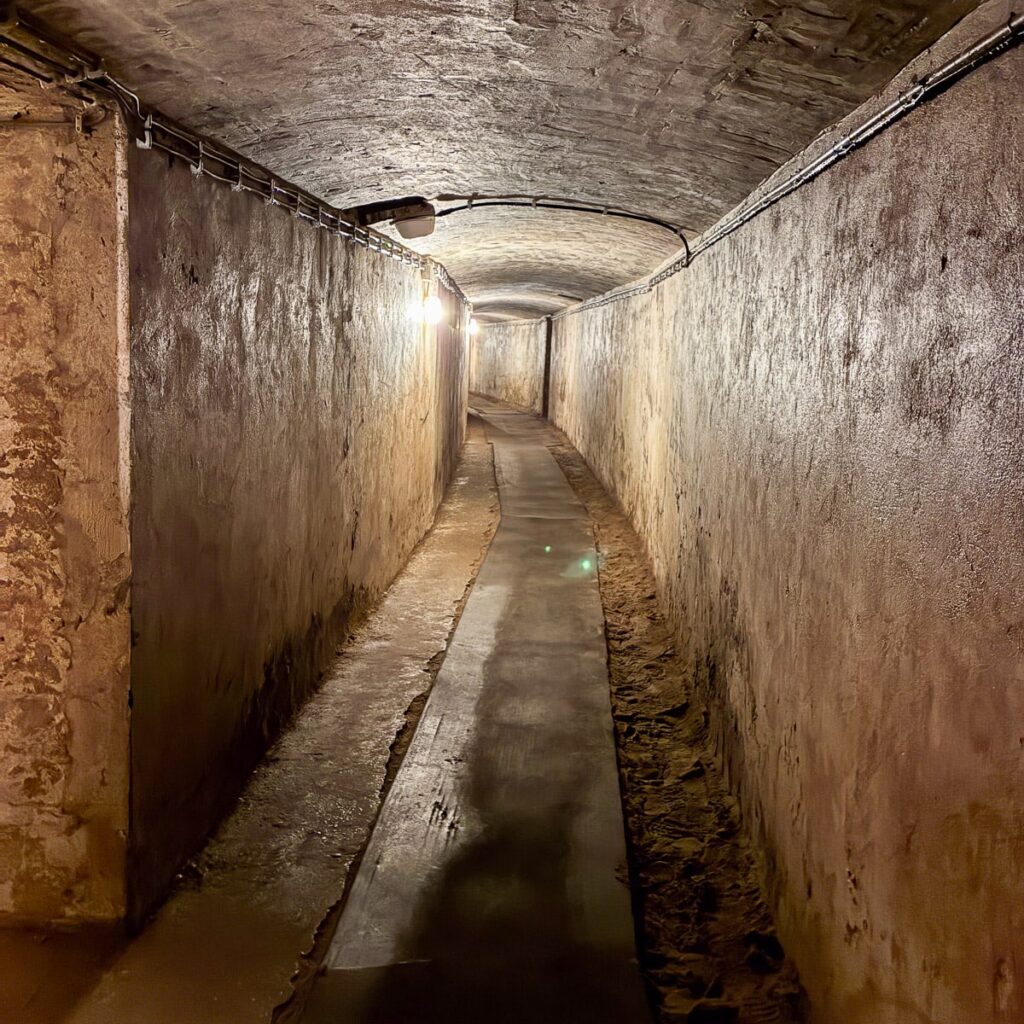
In addition to team-building and intercultural learning, the programme also included joint excursions, such as a visit to the Atlantic Wall Museum in Noordwijk in the Netherlands. The museum is located in a preserved German bunker complex dating from the Second World War. The young people were particularly concerned with the difficult living conditions during the war. They used the insights to tell in a podcast episode what knowledge and stories about the war had been passed down in their families. For Liisi, it became clear that the consequences of wars do not disappear when they end: “They often continue to have an impact across generations. You don’t always notice them in everyday life, but they are still there.”
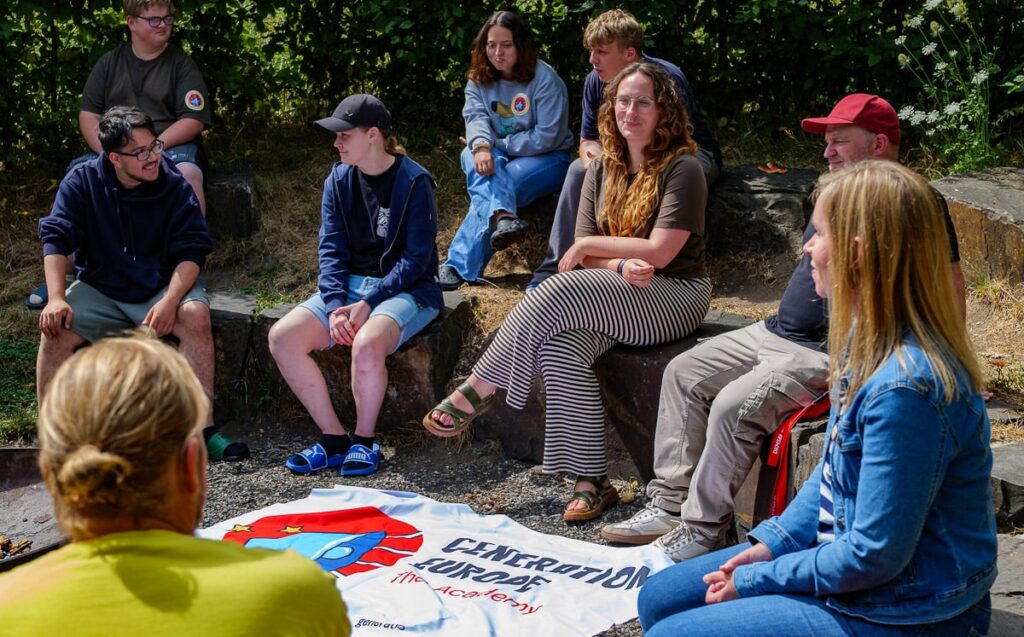
To make international projects like this one possible, the Werkstatt-Berufskolleg Unna is part of the international network and funding programme Generation Europe – The Academy, which has launched a new three-year project phase this year. Forty youth organisations from 14 countries are taking part. The shared goal: to encourage young people to network across Europe and to actively promote democracy, social participation and peaceful living together. This year’s youth encounter was the first joint project between the vocational school students from Germany and their international project partners in the new project phase. At all three municipalities, the young people formed local groups to remain active at home. International exchange is also continuing: return visits to Finland and Italy are planned for the summers of 2027 and 2028.
Peace Lab: Making Ideas for Peace Visible
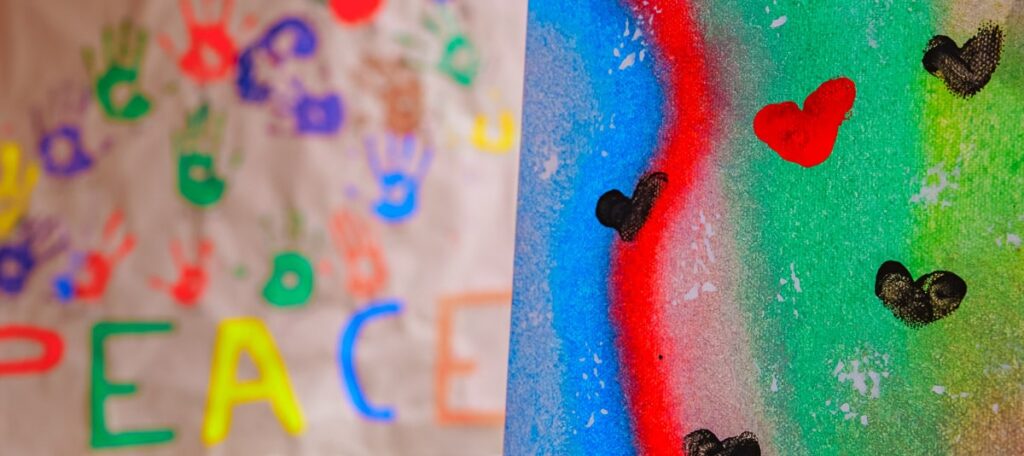
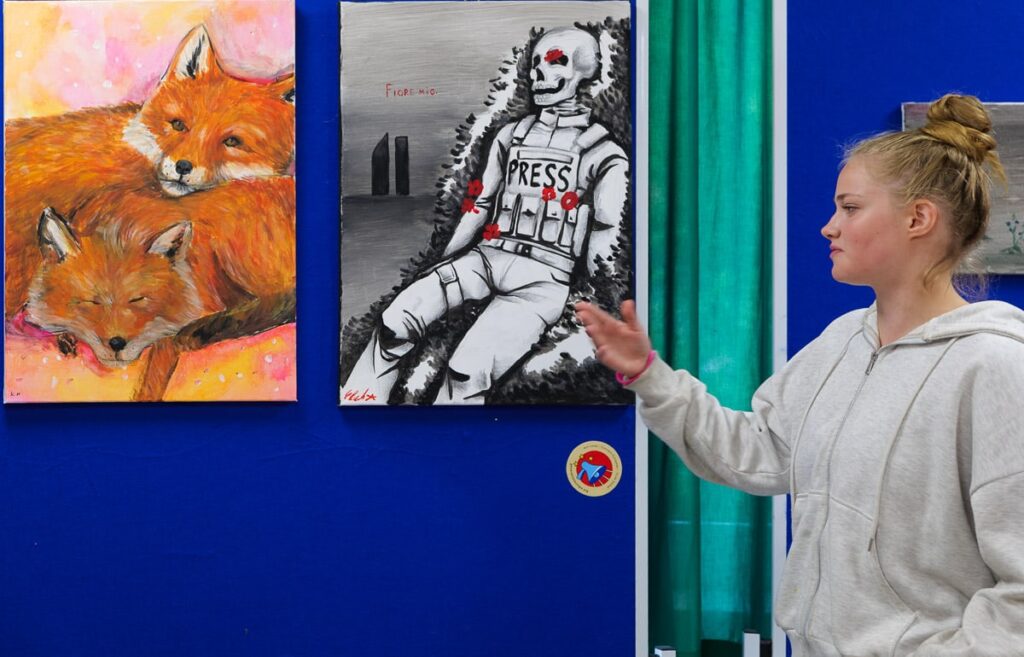
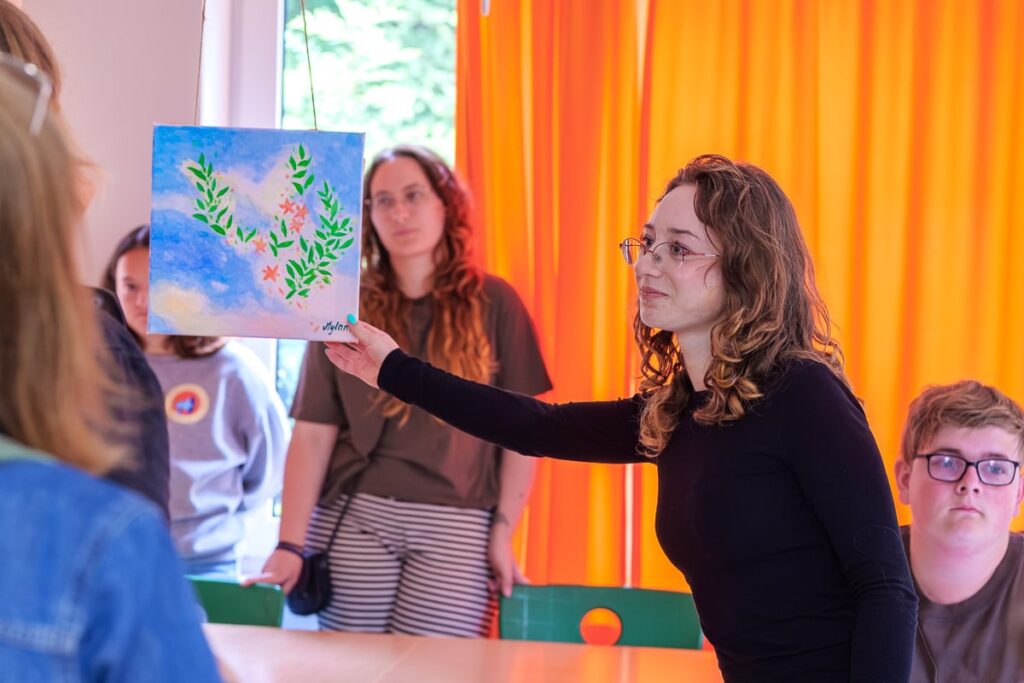
To conclude their encounter, the participants presented their findings at the Forsthaus Hasenacker youth education centre. Alongside the podcast group, a photography group and an art group also showcased their work. In the art group, the participants had created large-scale paintings using acrylic paints, which brought to life their perspectives on conflict and their visions of peace. The guests were particularly impressed by the atmosphere and the young people’s commitment.
Young people aged between 18 and 23, with and without disabilities, took part in the youth encounter. “The Peace Lab emerged from the ideas and discussions we gathered throughout the programme,” explains Kevin Ewe, who is a school social worker at the Werkstatt vocational college and the local project manager for Generation Europe – The Academy. The exchange not only passed on knowledge but also gave participants the space to develop their own ideas, he added. At the same time, numerous friendships have been built across national borders.
The three-year project partnership is funded by the Mercator Foundation, the European Union and the state of North Rhine-Westphalia. The Federal Ministry for Education, Family Affairs, Senior Citizens, Women and Youth also supports further training and project planning conferences as part of Generation Europe – The Academy. The network and funding programme are organised by the International Association for Education and Exchange (IBB e.V.) based in Dortmund, Germany.
More Information
- You can listen to the Peace Podcast here, which was produced during the youth exchange.
- Visit the Generation Europe Partnership 5 on Instagram.
- Would you like to find out more about our network? Follow Generation Europe – The Academy on Instagram and subscribe to our newsletter!