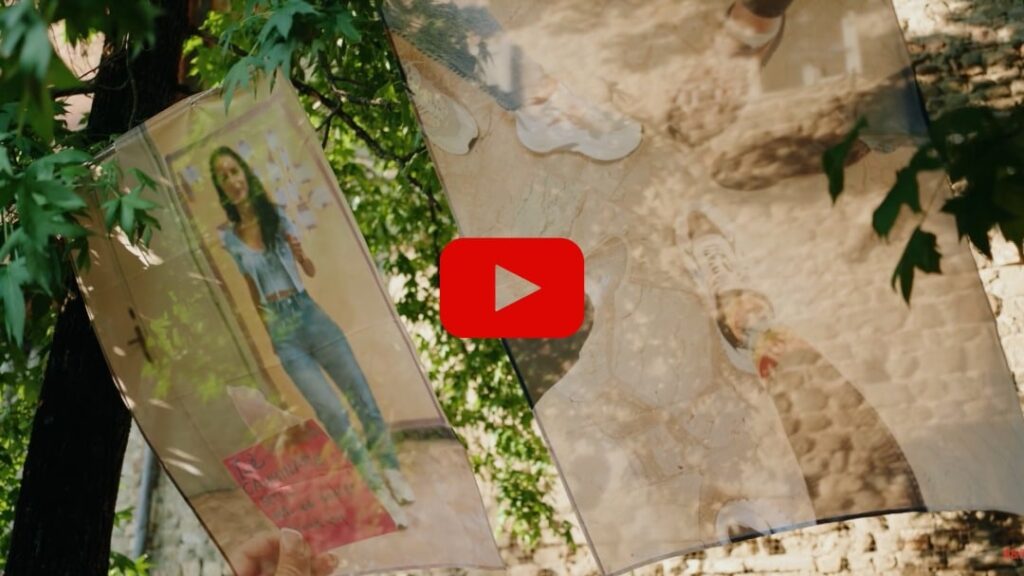
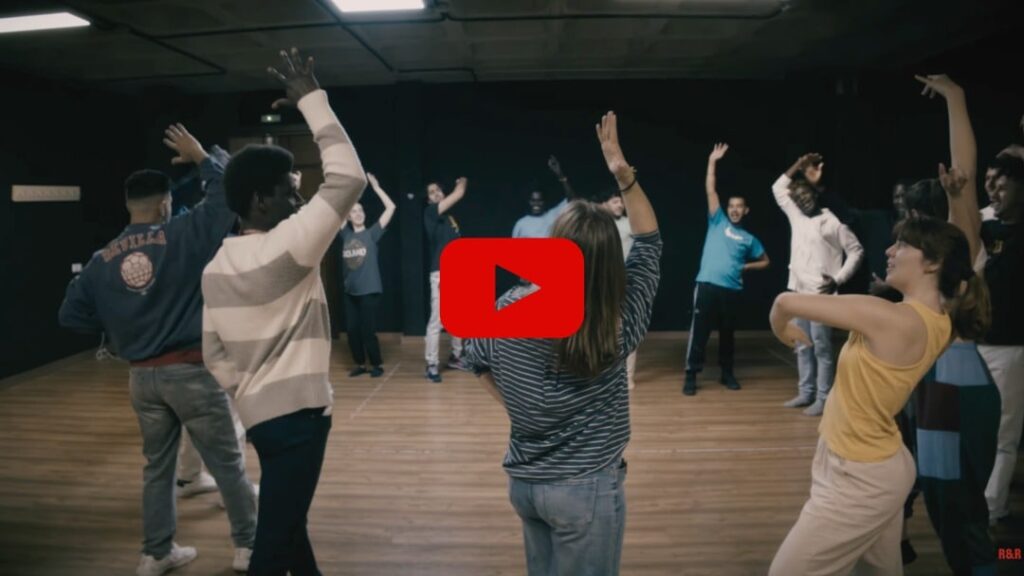
When young people from different linguistic and cultural backgrounds come together, traditional language courses often reach their limits. Three network partners of Generation Europe – The Academy recently concluded their work on the Erasmus+ project Talk2Me, demonstrating how physical theatre, photography, and storytelling can bridge these gaps. The resulting method booklet and video series are now available for young people and youth workers across Europe.
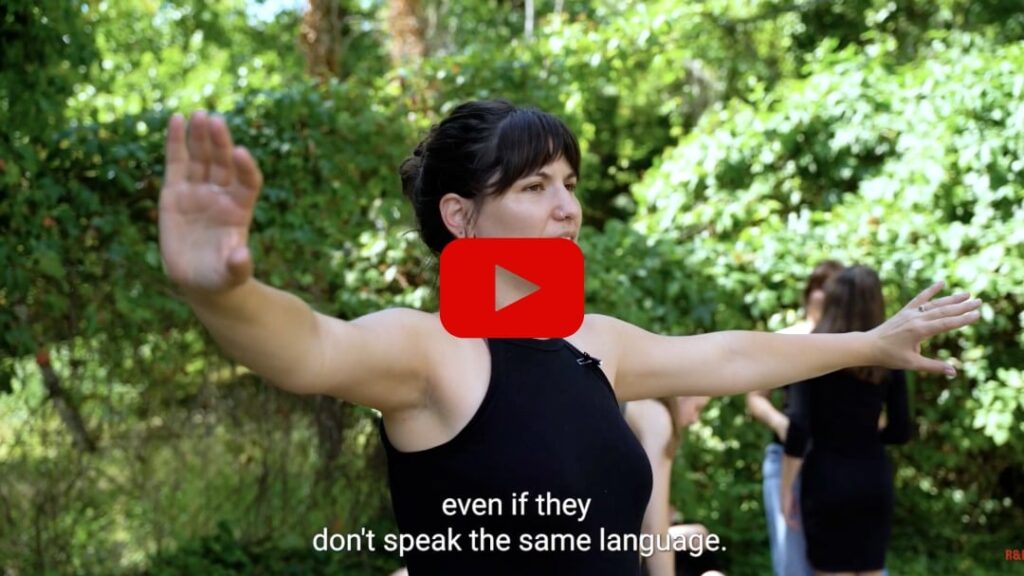
The project is based on a simple yet powerful idea: language learning is not only about grammar and vocabulary, but also about expression, identity, and human connection. Through workshops held in several countries, partners developed and tested arts-based methods. These activities incorporated body work, voice exercises, multilingual storytelling, and photography.
Moving Beyond Vocabulary
By shifting the focus away from formal language proficiency, the workshops created environments where young people could express their identities and cultural experiences without the pressure of a traditional classroom. In the process, innovative, human-centred practices were developed and field-tested, that can be adapted to a wide range of contexts — from youth work and non-formal education to community and cultural projects.
A Wonderful Partnership
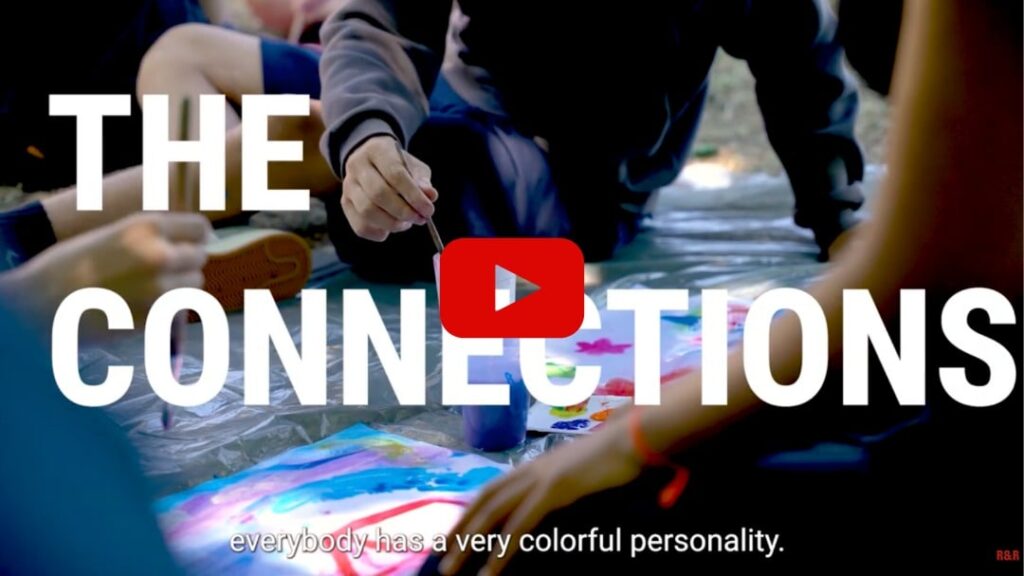
The project brought together artists, educators, youth workers, and participants from across Europe in a shared process of experimentation, exchange and co-creation. Together they explored how creative and artistic practices can support language learning and social inclusion, particularly for young migrants and people with diverse cultural backgrounds. All this was developed within the international ROOTS & ROUTES network and not only brought together three active partner organisations from Generation Europe – The Academy: Synergy of Music Theatre (Greece), Centro di Creazione e Cultura (Italy), and Subjective Values Foundation (Hungary). It also involved Les Têtes de l’Art (France) as the coordinating body, as well as the IAFM training institute (Spain).
Download the Booklet!
To make the results accessible to even more people, the project partners have published the Talk2Me booklet: a creative tool for inclusive language learning. It gathers the methods developed during the project and translates them into a flexible and accessible resource. Designed for educators, youth workers, facilitators and artists, the booklet offers practical inspiration and adaptable tools to support inclusive and participatory learning environments where diversity is valued.
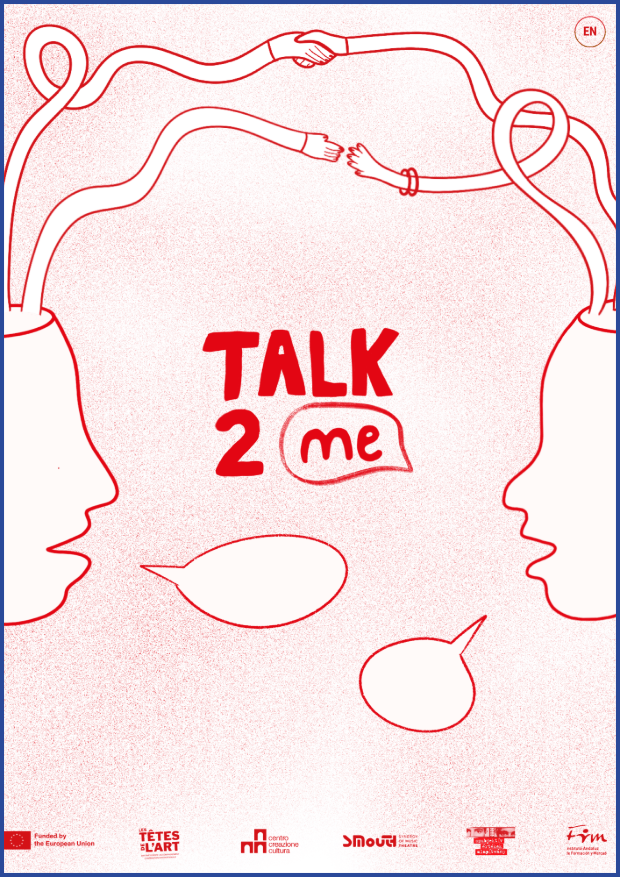
The partners have published a practical booklet that
brings together core outcomes of this collaborative journey.
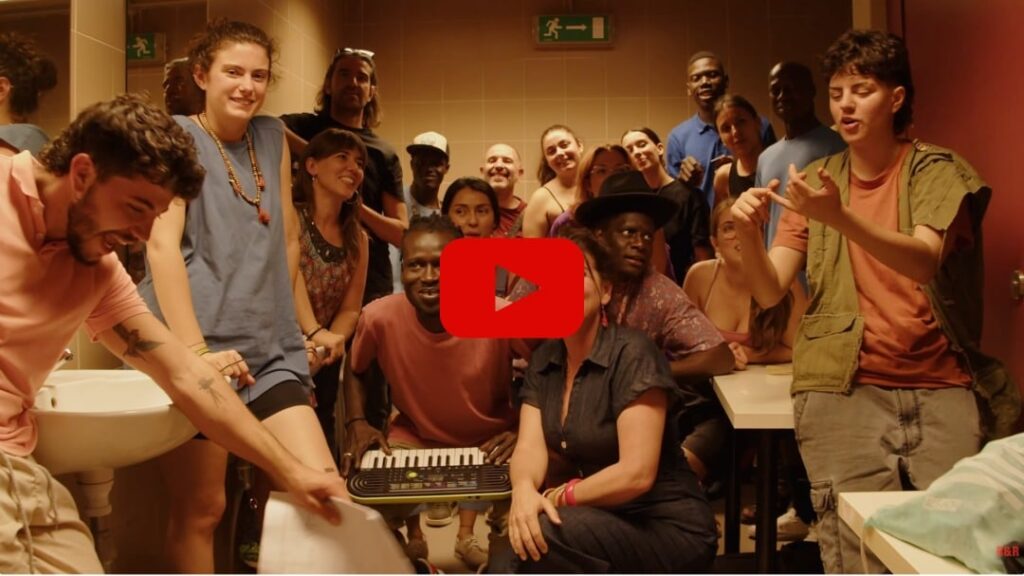
To complement the booklet, the project partners also produced a series of ten videos featuring the artists and facilitators involved. They document the diversity of approaches and offer practical inspiration for youth workers looking to implement the exercises.

Observing Different Realities
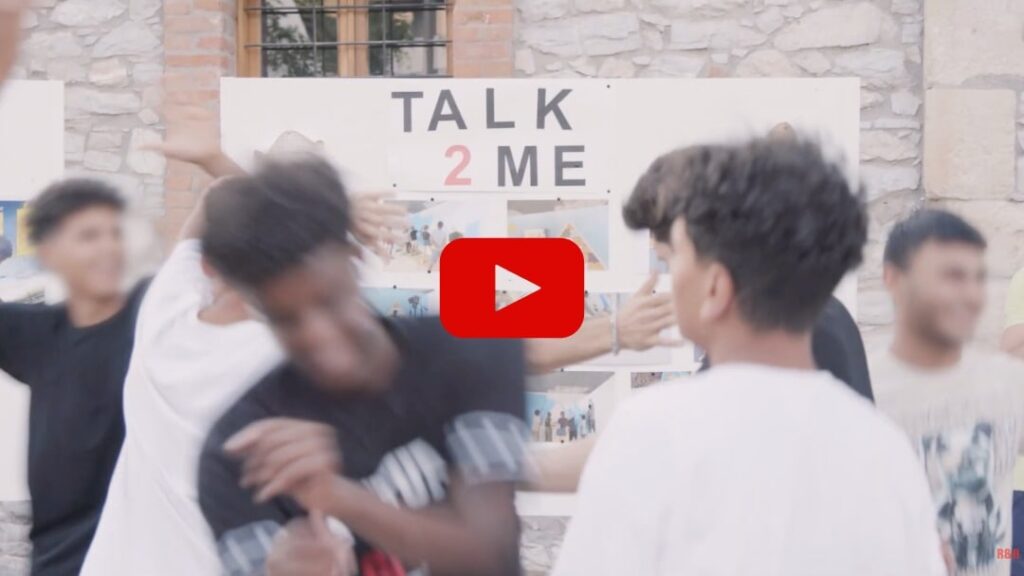
Another key part of the project was centred around transnational exchange and collective creation: The participants were able to travel to their international project partners, observing different realities of migration and youth work first-hand. These encounters culminated in co-created artistic events, bringing together local residents and newcomers. Depending on the local context, the groups organised photo exhibitions, theatrical performances, and sound installations, providing a public platform for the methods designed before.
Why This Matters for Generation Europe
The experience of Talk2Me is particularly relevant for Generation Europe – The Academy. Its focus on participation, inclusion, intercultural dialogue and youth empowerment strongly resonates with the values and practices of the network. The tools developed within the project can be easily adapted and reused in our local activities, especially when working with diverse groups, multilingual environments or community-based projects. That’s why the project partners invite everyone to explore the booklet and videos, experiment with the methods, and continue building creative, inclusive and participatory spaces for learning and exchange.