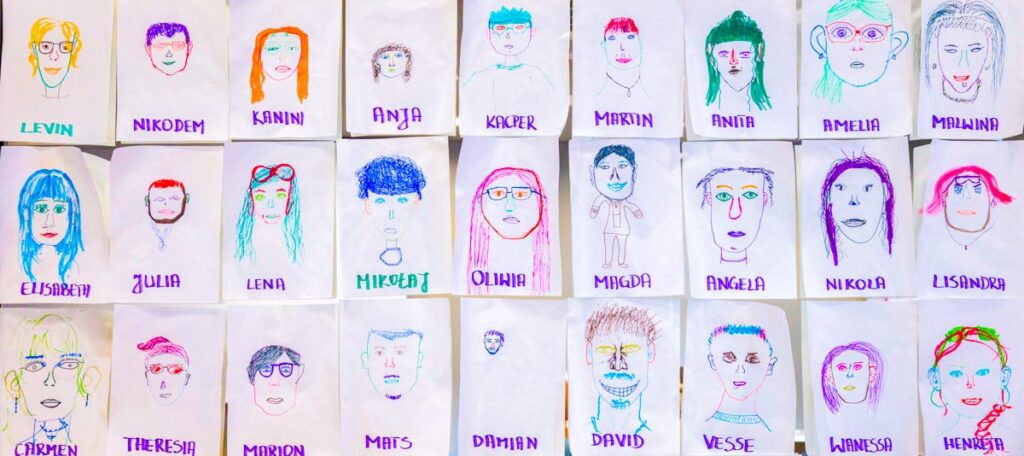
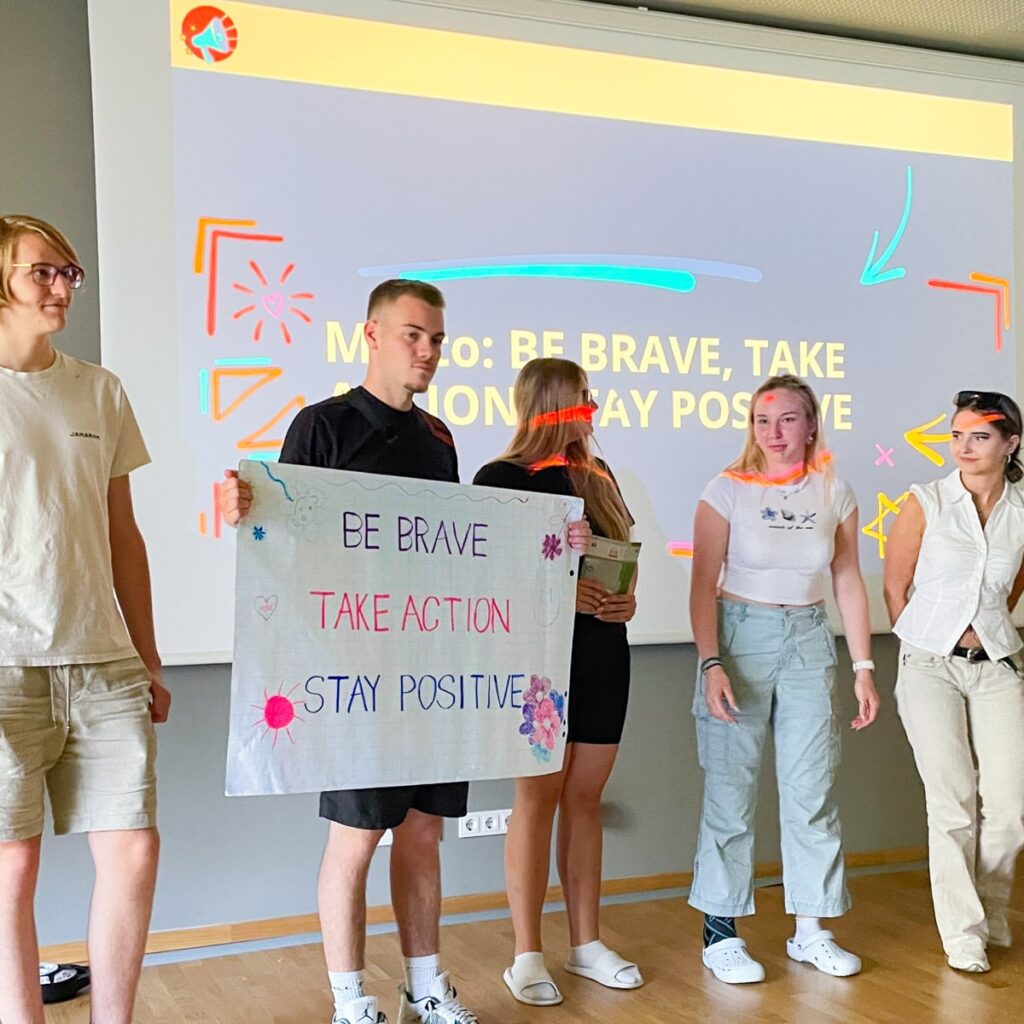
From 27 July to 7 August 2026, young people from Germany, Poland and Estonia gathered in Munich for their first international youth encounter as part of Generation Europe – The Academy. Together with six project team members from the three countries, they explored questions about democracy, participation and Europe’s future. One of their first decisions was to choose their own motto in a democratic process: “Be brave – take action – stay positive!”
We are delighted to share this report from the project partnership of PI München (Munich, Germany), Fundacja Borussia (Olsztyn, Poland) and Pärnu Huub (Pärnu, Estonia):
What Makes Democracy Work?
The first few days focused on getting to know one another, building trust, team building and cultural exchange. This laid the foundations for working together on the main topics of the encounter. During an activity called “Democracy Cake”, the young people developed their own ideas about what a democracy needs to work well. In the process, they had to make decisions based on their values and explain their choices.
How Democracy Was Destroyed
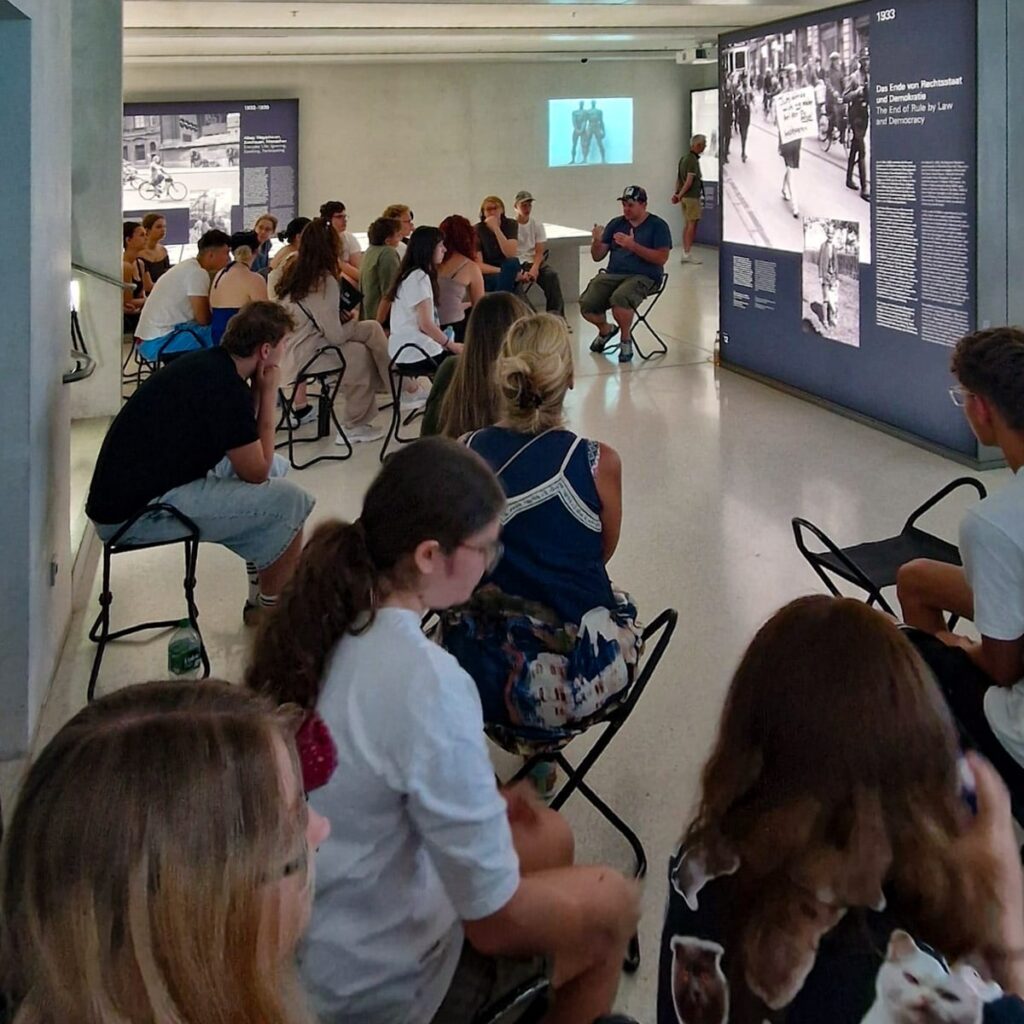
The group then visited the Munich Documentation Center for the History of National Socialism, a museum and learning centre that explores the history of Nazism, Munich’s role in its rise and the crimes and consequences of the Nazi dictatorship. During a guided tour, the group learned how democracy in Germany was gradually destroyed as the Nazis came to power and turned the country into a dictatorship. This also raised questions about the weaknesses of democracy and the risks it can face. The next stop was the White Rose Memorial, which tells the story of a group of students and a university professor who resisted the Nazi regime in Munich. Their courage inspired the group and led naturally into discussions about human rights.
Democracy at City Hall
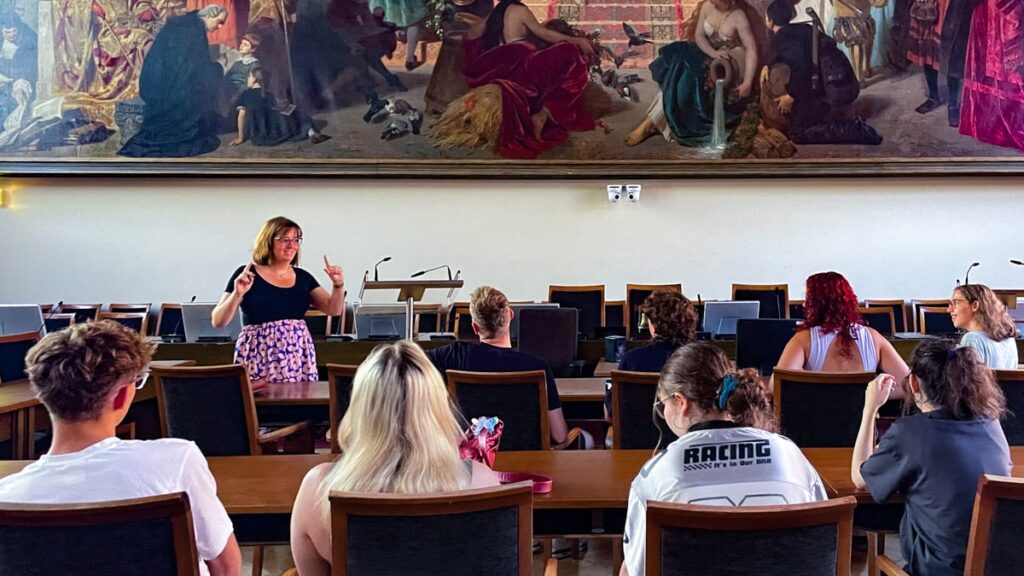
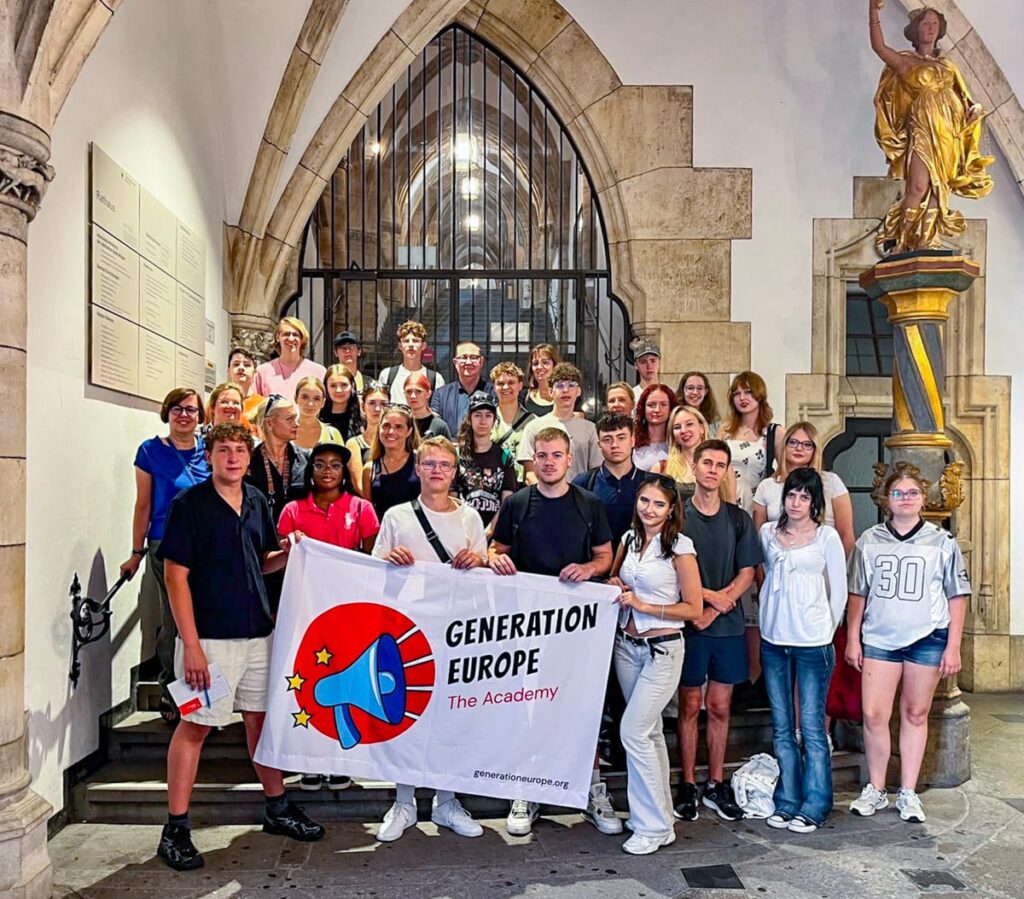
The group also visited Munich City Hall to learn more about local democracy and opportunities young people have to take part in political life to influence decisions in their city. They discussed these questions in depth with two members of Munich City Council, Beppo Brem (Green Party) and Lena Odell (SPD). The young people asked direct questions about youth participation in Munich as well as broader political issues. They were also interested in the politicians’ ideas about how young people themselves can get involved, make their voices heard and contribute to change. The meeting was particularly important because the participants felt that the two city council members took their questions and ideas seriously and listened to them. Lena Odell also offered to support the future activities of the local Munich group.
What Do We Want to Change?
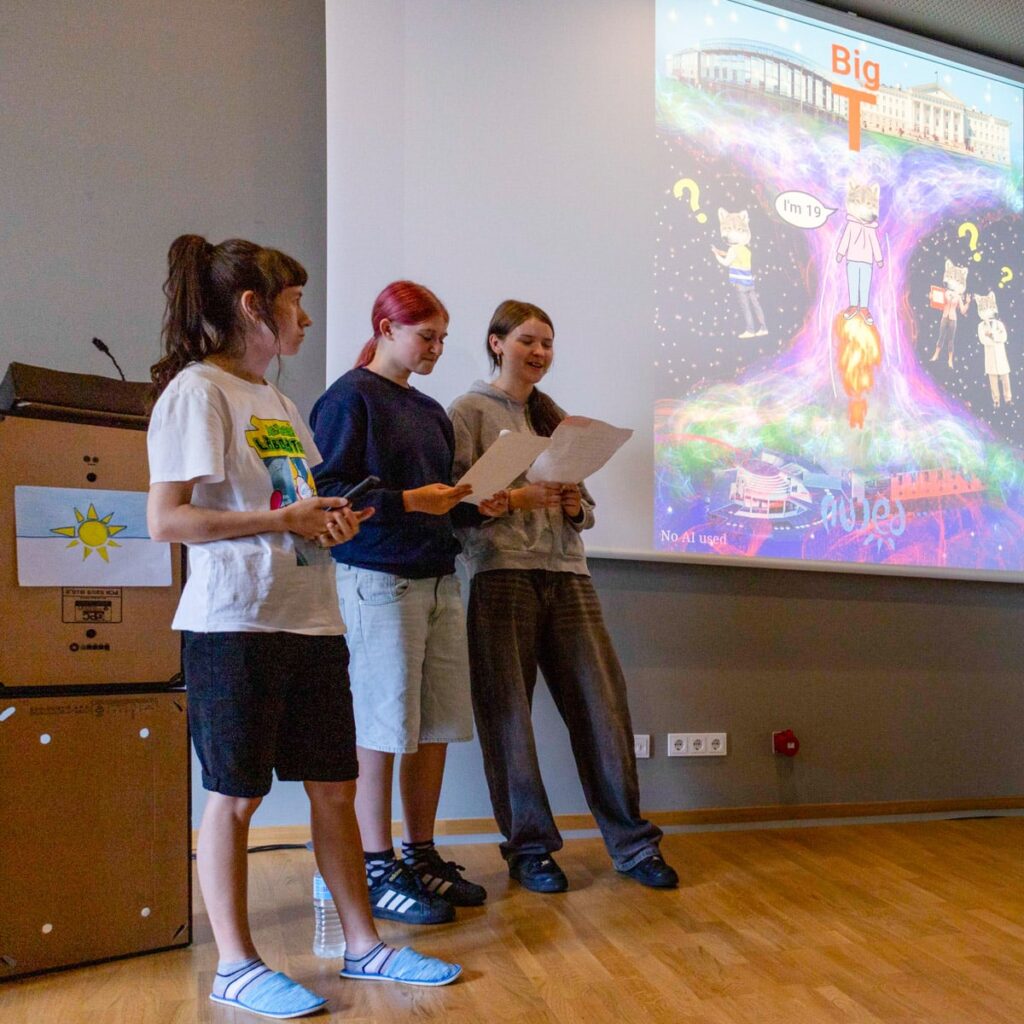
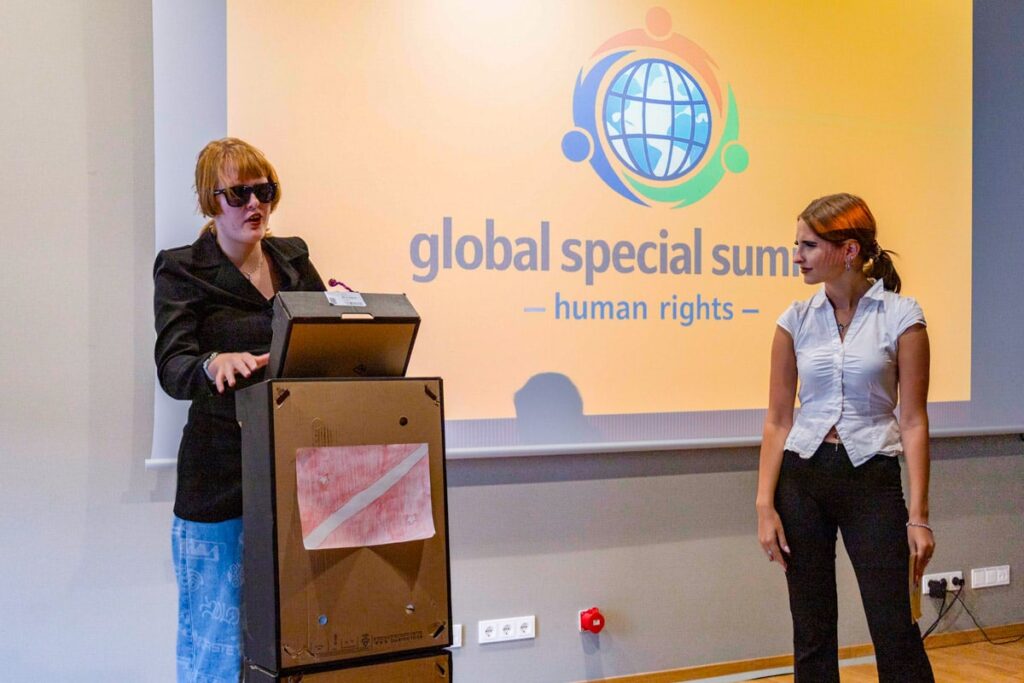
The next step was to focus on the issues that mattered most to the group. The young people identified and discussed a wide range of topics, including mental health and emotions, sustainability, education, fake news and artificial intelligence, and life in rural areas. They also talked about what they would like to change and where they themselves could take action, both together as an international group and in their local communities. Based on these discussions, the young people developed final performances under the motto “We for us!”, which they presented at the end of the youth encounter. One group focused on democracy, while another used satire to explore threats to human rights, including a parody of Donald Trump.
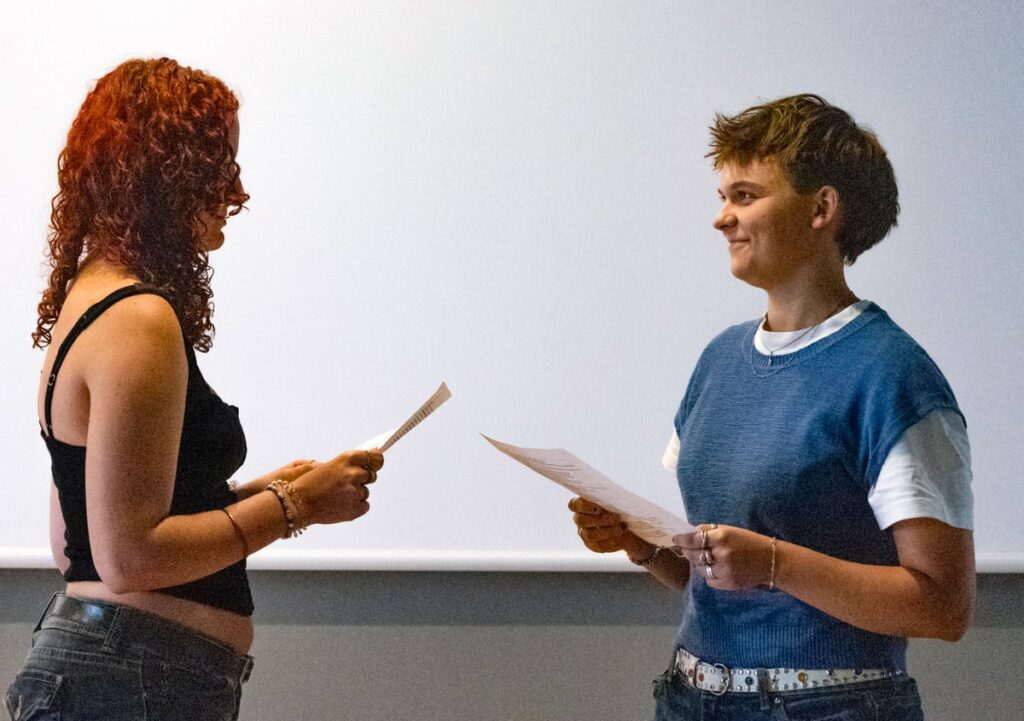
Another group prepared a staged reading with dance about pressure in the school system.
The young people also explored some of their topics in other formats. Their work on mental health, for example, resulted in a photo booth, a short film and a podcast.
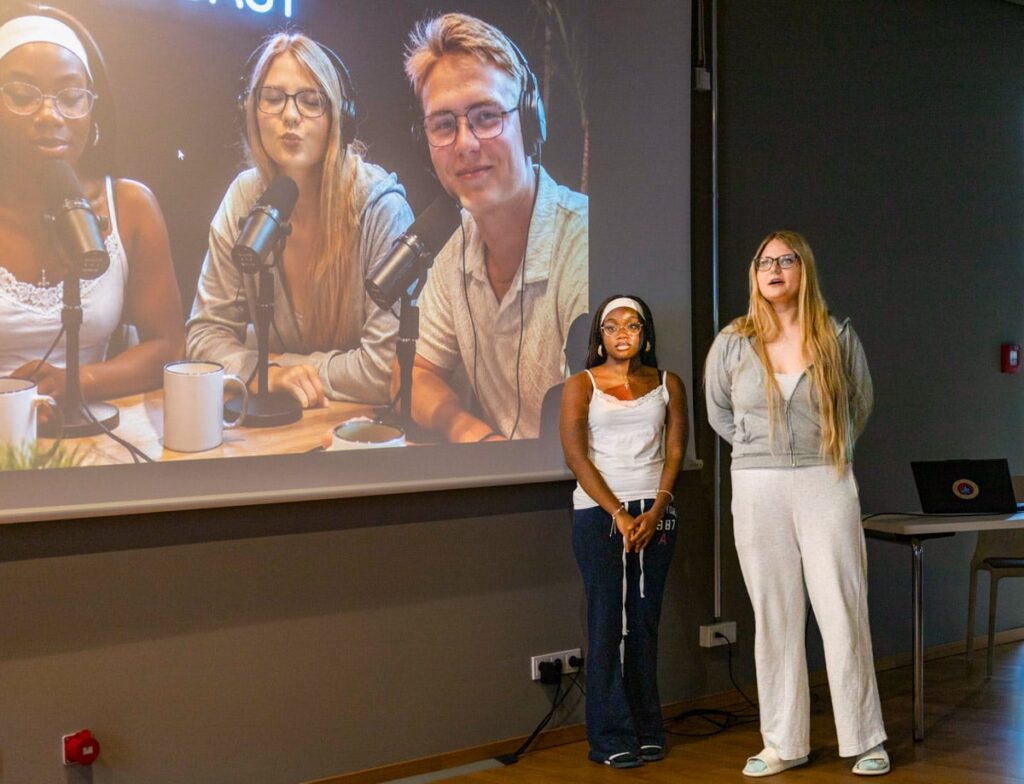
It was impressive to see what the groups managed to create in such a short time. For the final presentation, we were also very pleased to welcome representatives of the City of Munich and the Bavarian Youth Exchange Foundation, one of the co-funders of the youth encounter.
Generation Europe – The Academy is a programme by the International Association for Education and Exchange (IBB e.V.), funded by Stiftung Mercator, the European Union, the Ministry for Children, Youth, Family, Equality, Refugees and Integration of the State of North Rhine-Westphalia (MKJFGFI) and the Federal Ministry for Education, Family Affairs, Senior Citizens, Women and Youth (BMBFSFJ).